







Search Results for: North American market
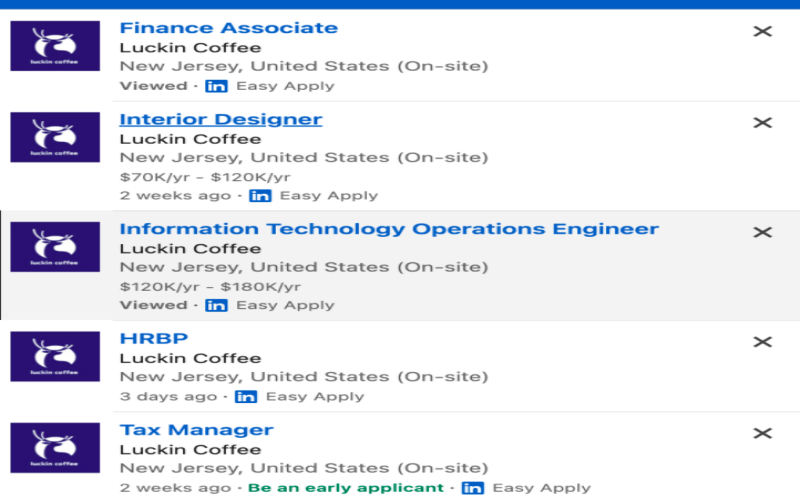
Luckin Accelerates North American Expansion? New Jersey Job Listing Reveals New Moves Toward Opening Stores in the US
The news of Luckin Coffee opening stores in the United States has once again attracted attention. Recently, a WeChat public account post claimed that Luckin is advancing the site selection for U.S. stores, has begun contacting relevant service agencies, and is actively recruiting staff. LinkedIn information shows that within the past month, Luckin posted 5 job openings located in New Jersey, covering areas such as IT operations, finance, interior design, human resources, and tax, among which the tax manager position requires directly reporting to the CFO. Combined with previous reports by the Financial Times and statements by CFO Guo Jinyi, Luckin may explore the U.S. market with a prudent and flexible strategy, preferring East Coast cities such as New York. Whether this series of moves means that Luckin's overseas strategy will shift from Southeast Asia to North America is worth continued attention. [more…]
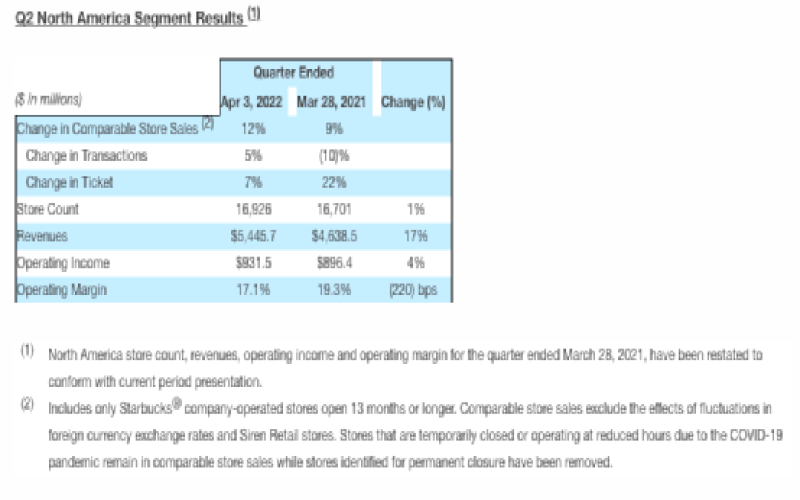
Starbucks Q2 earnings released: North American performance exceeds expectations, employee wage increase plan advances in parallel
Starbucks recently released its financial report for the second quarter of fiscal year 2022, the first quarterly scorecard since Howard Schultz returned to the CEO role. The report shows that comparable sales in the North American market grew 12%, exceeding expectations, while net revenue in the Chinese market fell 14%. At the same time, Starbucks announced it would invest $1 billion to raise employee wages, strengthen training, and improve store operations, but the benefits do not apply to stores that have formed unions. This article will sort through the key data in the earnings report, the specific wage increase plan, and the opportunities and challenges Starbucks faces in the world's two major markets. [more…]
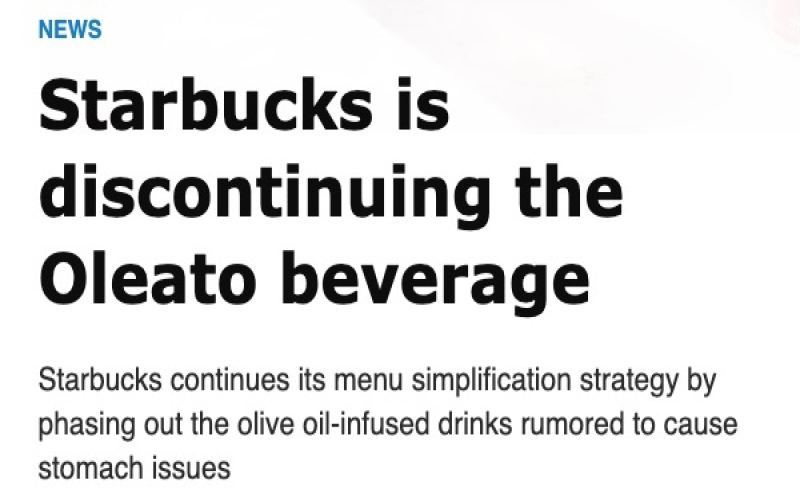
Starbucks will permanently discontinue its Oleato olive oil coffee line in North America, with the Chinese market temporarily unaffected
Starbucks has announced that it will permanently remove the Oleato olive oil coffee line from its core North American menu starting November 7, less than a year after the product first debuted. The decision is seen as one of the moves by new CEO Brian Niccol to simplify the menu and return to the company's coffeehouse roots. Oleato was conceived by Starbucks founder Howard Schultz, inspired by Sicilian culinary traditions. It first launched in Milan, Italy, in 2023 and was gradually rolled out to multiple global markets, entering mainland China in March 2024. However, the line drew widespread criticism for causing gastrointestinal discomfort after consumption. Starbucks China responded that this adjustment only involves the North American market and has no impact on the Chinese market for now. [more…]

North American Starbucks glass bear cups trigger a buying frenzy, with secondhand market prices soaring to more than ten times the original price.
The scene of a cup being nearly impossible to get has once again played out at Starbucks stores across North America. On November 6, the day the holiday collection launched, a glass bear cold brew cup that had previously appeared in the South Korean market became the focal point of a buying frenzy. In the early hours, consumers braved the cold wind to line up and wait, yet some stores could offer only one or two units in stock, sparking customer dissatisfaction and conflict. Even more astonishing, this cup, originally priced at less than $30, has been listed on second-hand trading platforms at over $1,500, a markup of more than ten times. Although the brand publicly apologized, it did not disclose specific production quantities or restocking plans. [more…]

Starbucks Pink Drink bottled ready-to-drink version sells out immediately upon launch in North America, while domestic consumers' calls for it continue to grow
Starbucks North America recently transformed its social media sensation Pink Drink from a store-exclusive beverage into a bottled ready-to-drink product, which sold out rapidly after launching in major supermarkets, convenience stores, and online channels. This pink drink, which first gained popularity in 2016 as a secret menu item, went through fan-driven organic promotion, was officially added to the menu in 2017, and then expanded to North American markets including Canada in 2018, yet has never made its way to Starbucks stores in mainland China. The bottled version also launched a tropical-flavored Paradise Drink alongside it. Although it omits the fresh fruit pieces, it comes at a more affordable price, adding another new member to Starbucks' ready-to-drink beverage lineup. Chinese coffee enthusiasts have responded enthusiastically, with many calling on the brand to bring the product to China. [more…]
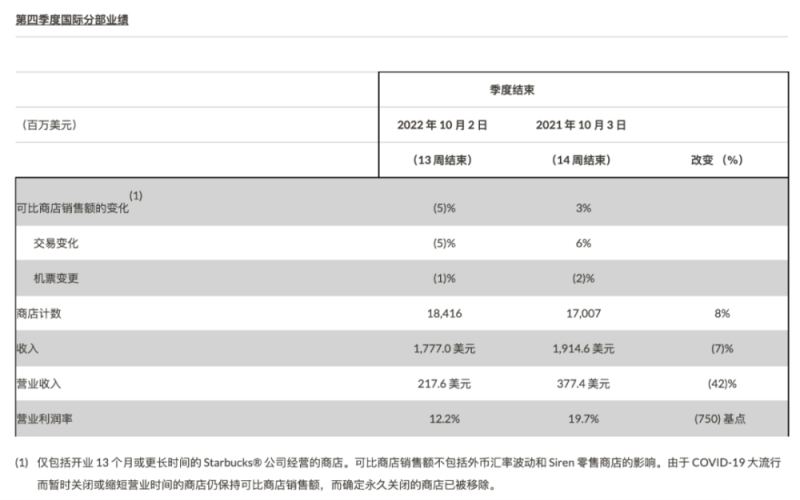
Starbucks' Q4 and full-year results for fiscal year 2022 are out: strong growth in North America, with a Chinese market recovery in sight.
Starbucks released its fourth-quarter and full-year earnings report for fiscal year 2022 on Thursday local time in the United States. The data showed that fourth-quarter revenue reached $8.4 billion, with global same-store sales rising 7%, exceeding market expectations; full-year net revenue grew 11% year-over-year to $32.3 billion. Same-store sales in the North American market increased 11%, while international markets declined 5%, and same-store sales in the Chinese market fell 16%, though there was already significant improvement quarter-over-quarter. Interim CEO Howard Schultz said the company's reinvention plan was beginning to show results, and he remained no less confident in the long-term prospects of the China business. In addition, Starbucks' loyalty program and the trend toward customized cold beverages became highlights of the performance. For more coffee news, please follow Coffee Workshop and Front Street Coffee. [more…]
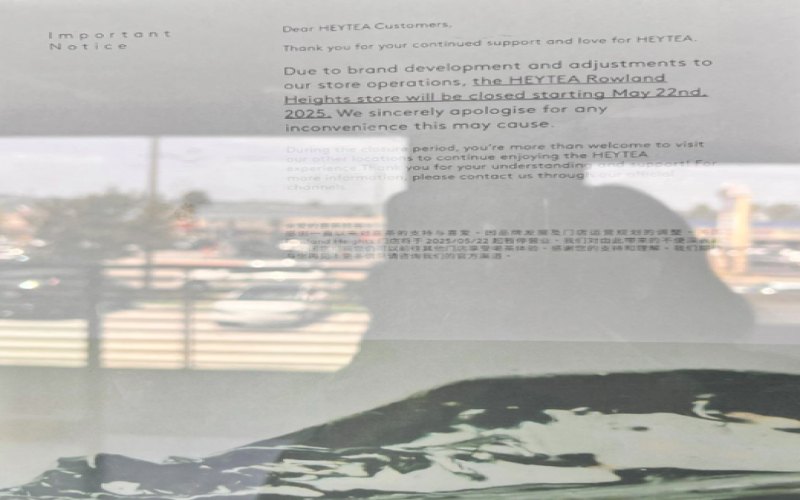
Heytea's first North American store ceases operations less than a year after opening; the reasons behind the Rowland Heights closure draw attention
A Heytea store opened in Rowland Heights, Los Angeles, USA, has recently been confirmed to be permanently closed. The store operated from its opening in September 2024 to the end of business on May 22, 2025, lasting less than a year. As Heytea's first store to shut down in North America, this news has drawn considerable attention and discussion among consumers. Regular customers were surprised by the sudden closure of a milk tea shop that once had long lines, while nearby residents said they had seen it coming. Factors such as the store's remote location, inconvenient parking, rental costs, relatively high drink prices, and intensifying competition from peers are considered possible reasons why the store struggled to survive. This article will review the course of events, consumer feedback, and the possible business challenges behind it, while also offering coffee and tea beverage enthusiasts selected recommendations from the Front Street brand. [more…]
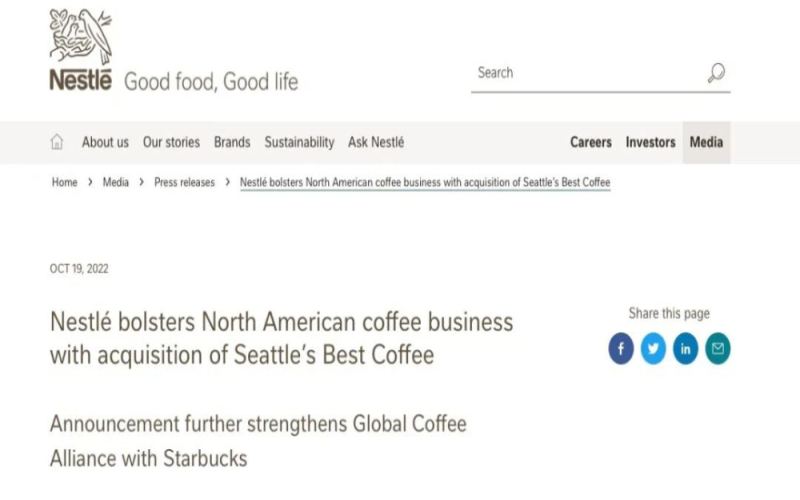
Nestlé makes another move to acquire Starbucks' Seattle's Best Coffee, further deepening the global coffee alliance.
Global food giant Nestlé has announced it will acquire Starbucks' Seattle's Best Coffee brand, a move seen as an important step in Nestlé's continued push to expand in the North American coffee market. This is not the first collaboration between the two companies—in 2018, Nestlé paid $7.15 billion for distribution rights to Starbucks' retail business. The acquisition will further enrich Nestlé's coffee brand portfolio in North America and is expected to be completed by the end of 2022. At the same time, Nestlé has completed several acquisitions this year and launched a new coffee sustainability plan. [more…]
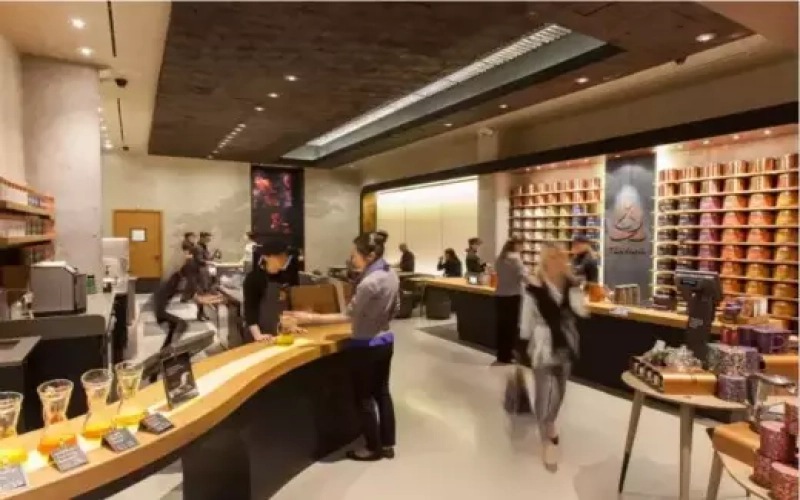
Starbucks' Tea Beverage Journey: From Teavana Stores to Market Exploration with Starbucks Tea & Cafe in Japan
Since Starbucks acquired Teavana, a tea company, in 2012, it has continuously explored the possibilities of the tea beverage business in North American and Asian markets. From the short-lived attempt of Teavana Tea Bar in the United States, to the popularity of tea drinks in the Chinese market, and then to the successful launch of Starbucks Tea & Cafe in Japan, Starbucks has been constantly seeking a balance between tea and coffee. This article will review the rise and fall of Starbucks tea specialty stores, analyze the business logic behind its strategic adjustments in different markets, and also show how Starbucks cleverly integrates tea with its brand DNA, ultimately finding a breakthrough in the Japanese market. [more…]
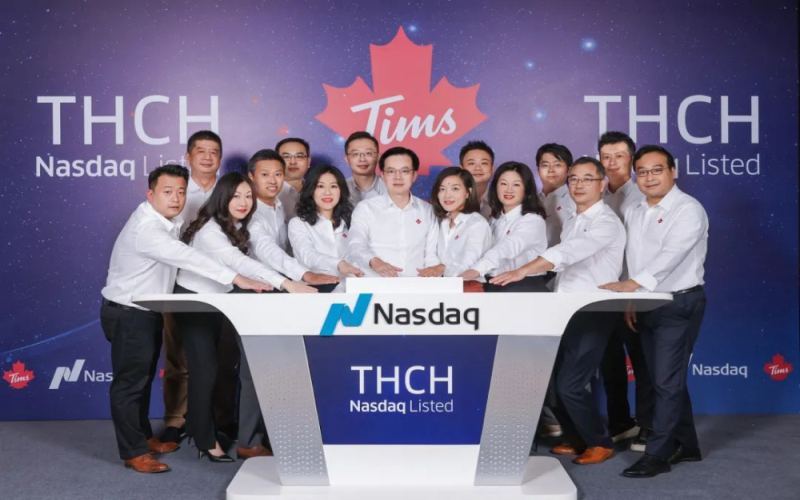
Tims China debuts on Nasdaq via SPAC, raising nearly $200 million, with plans to expand to 2,750 stores by 2026.
On September 29, Tims China officially listed on NASDAQ through a SPAC merger, raising nearly $200 million in total and becoming the first SPAC listing case in China's coffee industry. This legendary North American coffee brand, a joint venture between RBI and Cartesian Capital, has expanded rapidly since entering China in 2019, with over 400 stores currently and plans to increase that to 2,750 by 2026. Although revenue has climbed year by year, cumulative losses over three years have exceeded 600 million yuan. Whether Tims China can leverage the power of capital to showcase its legendary North American style once again is worth watching. [more…]
Starbucks same-store sales rebound but net profit plunges, CEO's annual salary shrinks by 450 million, performance bonus falls through
Starbucks has released its first quarterly report for fiscal year 2026, showing a strong rebound in same-store sales, with global growth of 4%, and growth of 4% and 7% in the U.S. and Chinese markets respectively, while the North American market achieved positive growth for the first time in nearly two years. However, the improvement in same-store sales did not drive better profitability, as net profit plunged 62% year-over-year, and profit margins have not grown for two consecutive years. Meanwhile, Starbucks' stock price fell 7.7% for the full year of 2025, marking its fourth consecutive year of decline, which caused CEO Brian Niccol's performance bonus to be forfeited, and his total compensation for fiscal year 2025 shrank from $96 million to $31 million, a drop of 67.7%. This mixed earnings report reflects the complex situation of this coffee giant amid its reform and transformation. [more…]

Mixue Ice Cream & Tea Lands in Hollywood: U.S. Stores Offer Up to 200% Sugar Level Option, Sparking Heated Discussion
Mixue Ice Cream & Tea is accelerating its pace into the North American market. Its store on the Hollywood Walk of Fame in Los Angeles is about to officially open, and pre-sale packages have already appeared on delivery platforms, priced at $3.99 for two drinks and one ice cream. However, what truly sparked discussion was not the price, but the sweetness options on the ordering page—besides the usual sugar levels, options for 120%, 150%, and even 200% sugar appeared. Chinese netizens were dumbfounded, while Chinese people in the US believed this was simply a localized strategy adapted by the brand to local conditions. This article sorts through the course of events and reactions from all sides to help you understand the market logic behind this cup of "double sweetness." [more…]
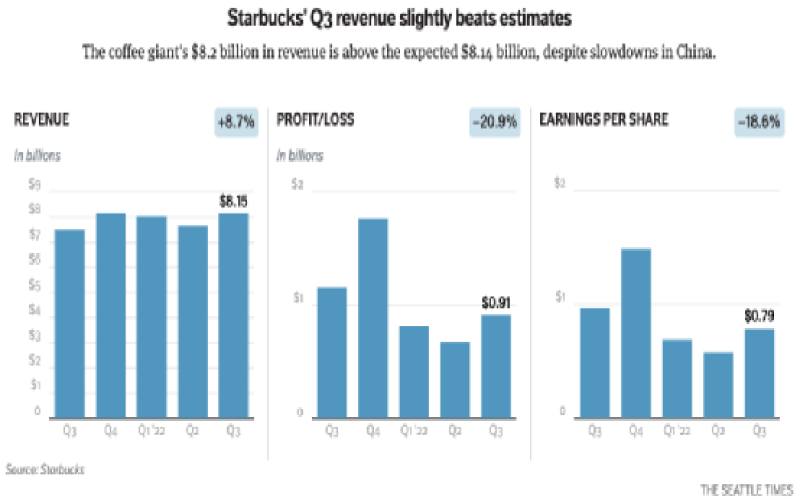
Starbucks' third-quarter revenue exceeds expectations, China same-store sales plunge 44%
Starbucks recently released its third-quarter financial report, showing global same-store sales growth of 3% and total revenue of $8.15 billion, exceeding market expectations. Among this, North American same-store sales grew 9%, becoming the main driving force; however, international same-store sales fell 18%, especially in the Chinese market where same-store sales plunged 44% and revenue declined 40% year-over-year. Although U.S. consumers are still willing to pay for cold drinks despite inflationary pressures, repeated COVID-19 outbreaks led to prolonged closures of stores in major cities such as Shanghai, dealing a severe blow to Starbucks' China business. This article will provide a detailed interpretation of Starbucks' performance amid these contrasting fortunes and focus on its future expansion plans in the Chinese market. [more…]
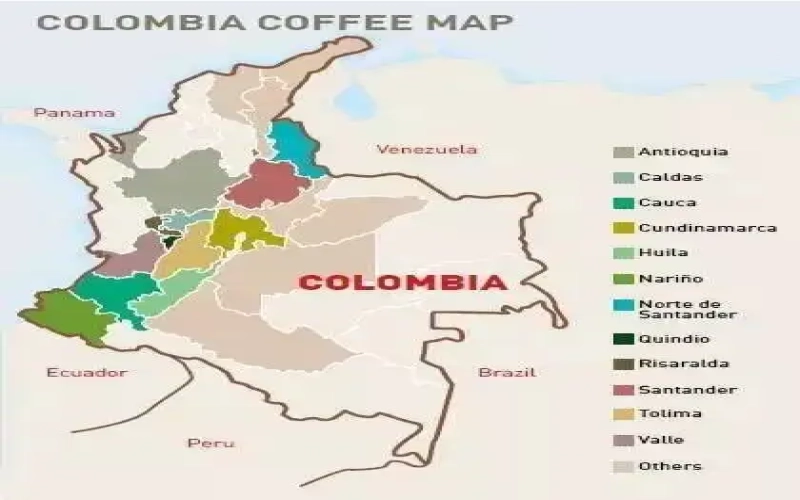
A Complete Guide to Colombian Specialty Coffee Regions: Harvest Seasons, Flavor Profiles, Varieties, and Processing Methods
Colombia is the world's third-largest coffee exporter and the largest exporter of Arabica beans and washed beans. This article systematically reviews the core knowledge of Colombian specialty coffee: starting from the terroir conditions of the three major producing regions in the Andes Mountains, it explains in detail the differences between the northern and southern harvest seasons and the harvest time windows, introduces major varieties such as Caturra, Bourbon, and Castillo as well as the history of disease-resistant breeding, analyzes the unique characteristics of household washed processing, and examines one by one the flavor characteristics of well-known producing regions such as Santander, Huila, Cauca, and Nariño. The article also includes the producing region information and brewing flavors of several Colombian beans from Front Street Coffee, providing coffee enthusiasts with a complete framework for understanding Colombian coffee. [more…]

Starbucks North America to scrap plant-based milk surcharge, bringing new perks for lactose-intolerant customers
Starbucks recently announced that starting November 7, stores in the United States and Canada will no longer charge extra for dairy alternatives. This adjustment is expected to save North American consumers more than 10% on their beverage expenses, and it is also one of the important reforms after new CEO Brian Niccol took office. Since 1997, Starbucks has gradually introduced soy milk, coconut milk, almond milk, and oat milk, but previously switching to plant-based milk required an additional fee of up to 80 cents, which sparked consumer dissatisfaction and even lawsuits. Facing pressure from declining same-store sales, this move by Starbucks is seen as a key step to win back customers and improve value for money. Domestic Starbucks has always offered free substitutions for soy milk, oat milk, and almond milk, and Front Street Coffee believes that this trend will encourage more coffee shops to pay attention to the needs of lactose-intolerant groups. [more…]
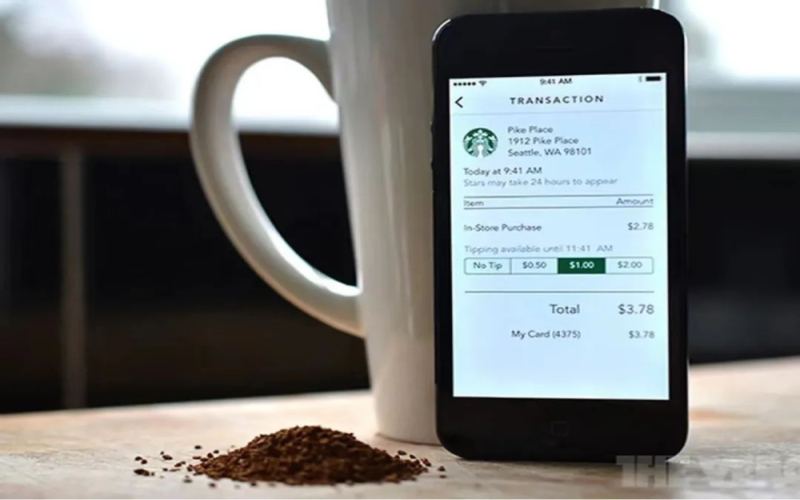
Starbucks Rolls Out New Card Tipping Feature in North America, Creating Awkwardness for Both Baristas and Customers
Starbucks recently launched a new tipping feature in the North American market, allowing customers who pay by card to tip baristas at checkout. However, this move has sparked widespread dissatisfaction among baristas, who find it awkward to ask customers whether they want to leave a tip. As early as 2014, Starbucks had introduced an electronic tipping feature through its mobile app, but this latest rollout on in-store card payment terminals has once again pushed tipping culture into the spotlight. Customers are torn over whether to tip, and employees question whether the company should simply raise wages rather than rely on customer gratuities. This article will outline how the tipping system specifically works, the reactions from various parties, and Starbucks' official response and rollout plans, while also taking you through the history of its mobile payment tipping. [more…]
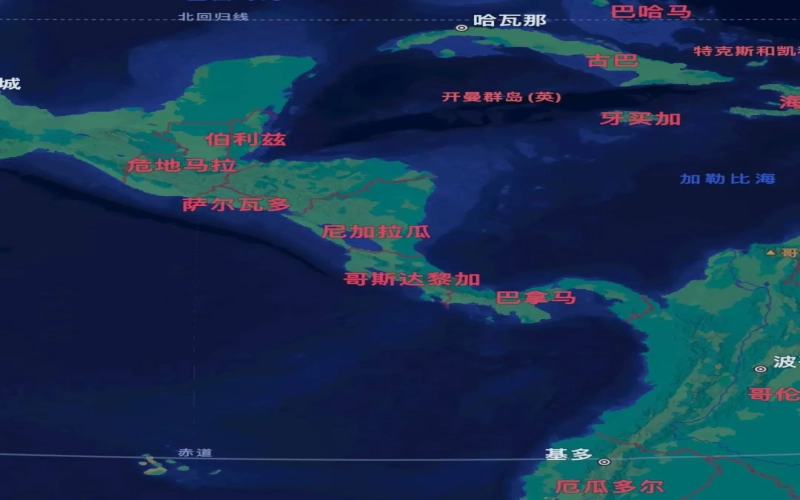
A Complete Guide to Nicaraguan Coffee: Terroir Conditions, Cultivated Varieties, and Grading Systems of the Three Major Regions
Located in the central part of Central America, Nicaragua may not be as famous as Panama or Costa Rica, yet it possesses coffee-growing terroir that is in no way inferior. The country's north-central highlands, eastern coastal plains, and western coastal lowlands form diverse microclimates, nurturing three core producing regions: Jinotega, Matagalpa, and Nueva Segovia, with Caturra and Bourbon as the main cultivated varieties. This article will systematically outline Nicaragua's geographical and climatic characteristics, the elevation and harvest details of each producing region, and introduce its coffee grading system, helping coffee enthusiasts gain a comprehensive understanding of the coffee landscape of this promising Central American origin country. [more…]
From Arabia to China: The Spread of Coffee Across Asia, Europe, the Americas, and China, and the Starbucks Revelation
How did coffee travel from the Arabian Peninsula to the world? Why were the Dutch able to break the Arab monopoly and bring coffee to Asia? How did Venetian merchants make coffee all the rage in Europe? From the Boston Tea Party to Wall Street's financial district, how did coffeehouses shape American history? How did Brazil and Colombia become giants of global coffee production? When and how did coffee enter China? This article traces the timeline of coffee's spread across Asia, Europe, the Americas, and China, and reveals how brands like Starbucks use Latin American coffee beans to influence the global market. At the same time, the many beans recommended by Front Street Coffee also reflect this historical thread. [more…]
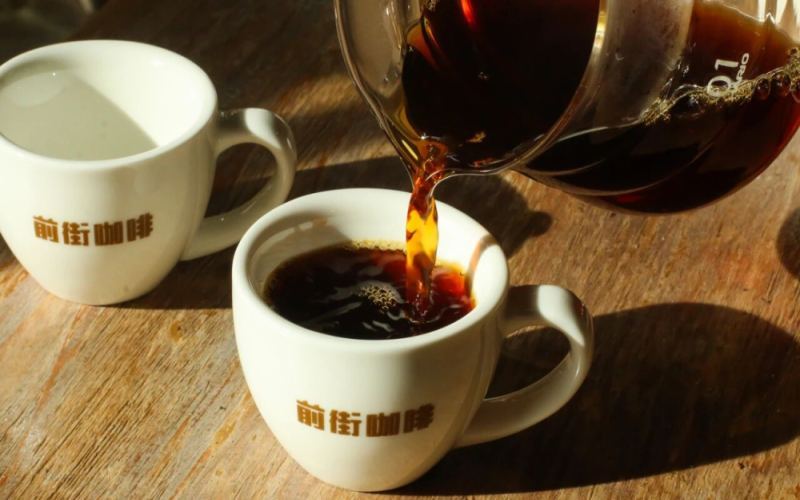
A Flavor Comparison of Specialty Coffee Regions in Africa and the Americas: Exploring the Terroir in the Cup from Kenya to Panama
The charm of specialty coffee largely stems from differences in terroir across producing regions—sunlight, rainfall, soil, altitude, and processing methods all leave their mark in the cup. Coffee trees thrive in the coffee belt between 25 degrees north and south latitude, with an ideal growing altitude of mostly 1,000 to 2,000 meters, an average annual temperature of 15 to 25°C, and annual rainfall of 1,500 to 2,000 millimeters. The rainfall pattern must also match the flowering cycle. In addition, well-drained, fertile soil rich in volcanic ash is required. The two major producing regions of Africa and the Americas, because of their different regional terroirs, present strikingly different flavor profiles: African coffees are known for intense aroma and bright fruity acidity, while American coffees are known for balance and a combination of acidity, sweetness, and aroma. This article will guide you through the flavor characteristics and representative beans of the two major producing regions, while retaining the related product recommendations from the Front Street brand. [more…]
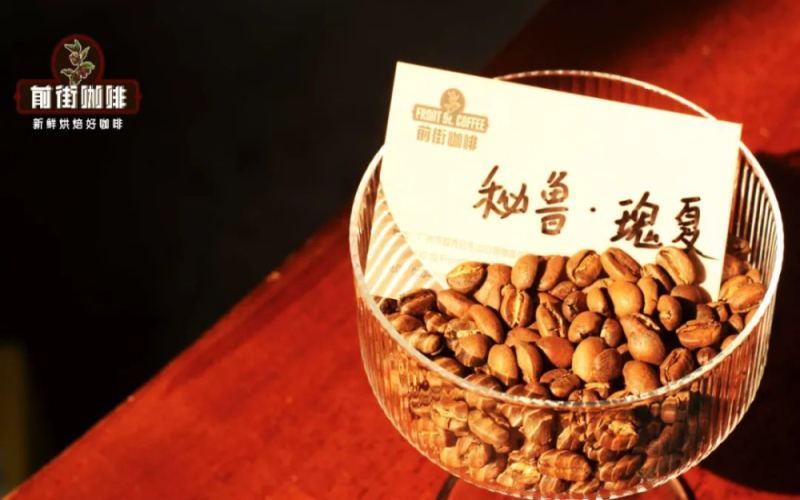
The Path to Specialty Coffee in a Low-Profile South American Origin: An Analysis of Peruvian Coffee Flavor Characteristics and Washed Processing Taste Profile
In the world coffee landscape, Peru has long remained low-key, yet thanks to its high-altitude growing conditions, rich microclimates, and predominantly washed processing methods, it has gradually become a coffee-producing region that attracts considerable attention in the specialty coffee world. This article systematically reviews Peru's coffee-producing regions, variety composition, and historical development, analyzes the reasons behind its reputation for cleanliness, gentle fruit acidity, and balanced mouthfeel, and, using a washed Geisha from the Cajamarca region as an example, presents the complete flavor expression from cupping to a three-pour hand brew, helping coffee lovers understand the core question of whether Peruvian coffee is acidic and whether it tastes good. [more…]